

Things Change.


I did something today that would have seemed like science fiction just a few years ago. I built a website. Not just a landing page, but a fully-functional, five-page website with a clean design and coherent structure. The initial creation, the digital equivalent of laying the foundation and framing the walls, took less than sixty seconds.
Let that sink in. A task that, in my not-so-distant past, would have consumed the better part of three days, countless hours of coding, debugging, and wrestling with design frameworks…
This was accomplished in the time it takes to brew a cup of coffee. The entire project, from that initial AI-powered genesis to the final tweaks of text and branding, was wrapped up in about three hours.
This isn’t a boast about my newfound efficiency. It’s a stark, undeniable illustration of a profound truth: things change. And they are changing faster than ever.
It’s human nature to look back with a certain fondness, to revel in the past.
We romanticize the old ways.
We talk about the “craft” of hand-coding a website line by line, the meticulous effort involved, and the deep knowledge required. There was a certain grit and glory to it, a satisfaction born from painstaking labor. But is that satisfaction in the labor itself, or in the result?
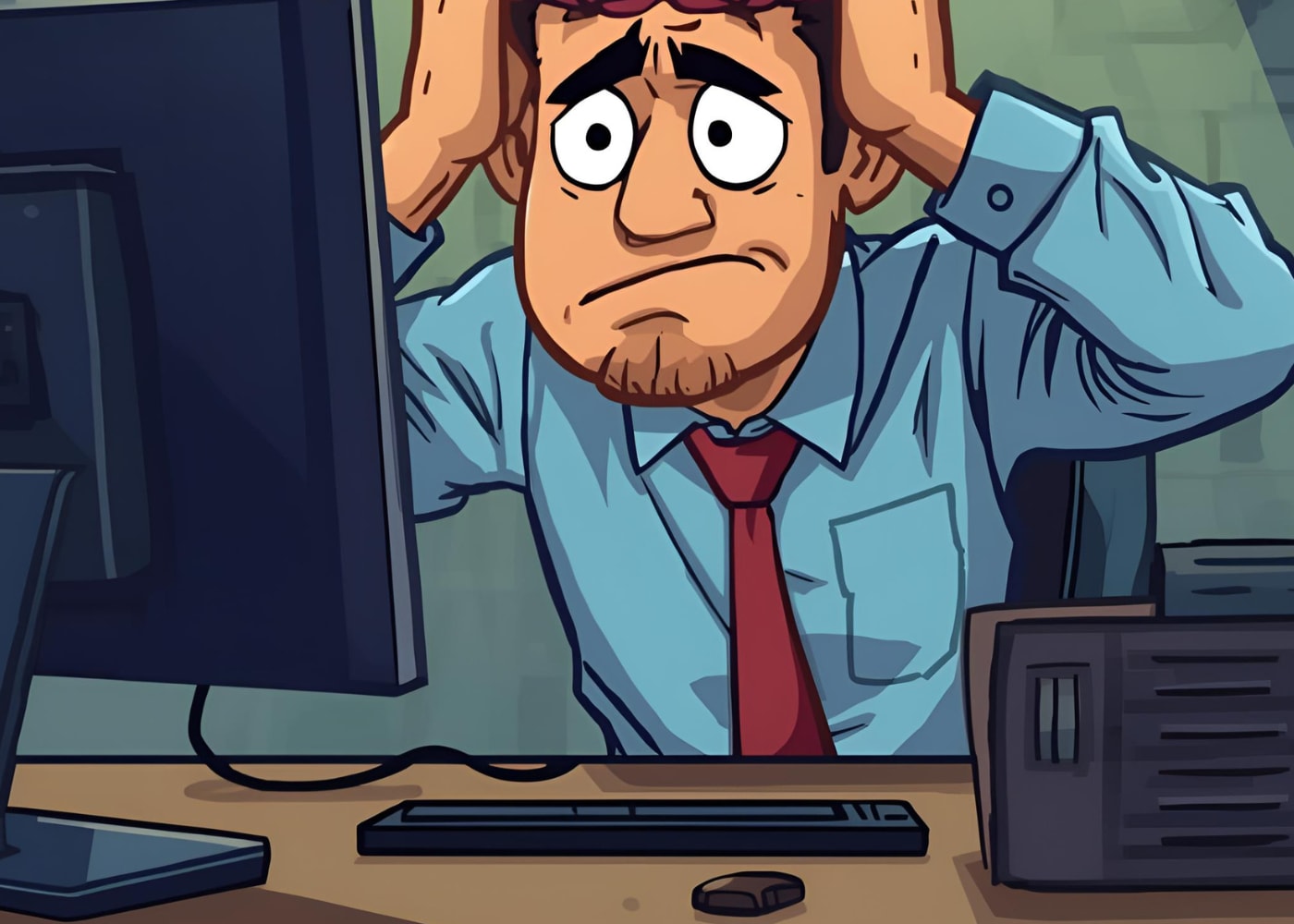
For centuries, our value has been intrinsically tied to the difficulty and duration of our tasks. The blacksmith hammering steel for days, the scribe painstakingly copying a manuscript for months, the developer debugging code through the night. The effort was the currency of value.
Today, that currency is being devalued at an astonishing rate. AI and automation are not just new tools; they are new paradigms. They are abstracting away the tedious, the repetitive, and the time-consuming, leaving us with a very different, and perhaps more intimidating, responsibility: the thinking.
My three hours today weren’t spent wrestling with CSS properties or JavaScript libraries. They were spent refining a message.
Who is this website for?
What is the core value we are communicating?
Is the branding consistent?
Does the tone resonate with the intended audience?
The AI handled the how, leaving me to focus entirely on the why.
This is the beauty hidden within the disruption. We often fear change because we see it as a loss—a loss of skills, of relevance, of the familiar comfort of our expertise.
The fear is that the machine will make the craftsman obsolete. But what if that’s the wrong way to look at it?
What if the machine is simply taking the hammer, leaving the craftsman free to become an architect?
This evolution is not new. The advent of the printing press didn’t eliminate the need for thinkers and writers; it amplified their reach. The assembly line didn’t end manufacturing; it made goods accessible to the masses and shifted human effort towards design, engineering, and logistics.
Each wave of technological advancement has washed away certain jobs while simultaneously creating fertile new ground for roles we could not have previously imagined.
The challenge we face is not in stopping the tide, but in learning to swim. Clinging to the old ways, reveling in a past where things were harder simply for the sake of it, is a recipe for irrelevance. The beauty we must learn to see is in the elegance of a solution, the power of a clear idea, and the impact of a well-executed strategy. Our value is shifting from the mechanics of execution to the quality of our vision.
The world will always need builders, creators, and problem-solvers. The definition of those roles, however, is perpetually in flux. Today, I built a website not with code, but with prompts and critical thinking. The end product is the same, but the process has been irrevocably transformed. I am not a lesser developer for it; I am a different one.
Change is the fundamental constant of our universe. It is the engine of evolution and the catalyst for growth. We can choose to stand on the shore, lamenting the receding coastline of the past, or we can build a better boat and set sail for the horizon. Today, I feel the wind in my sails, and it feels less like an ending and more like a beautiful, wide-open beginning.
Here’s the website: deerzarewear.com
The verdict:
Can we apply this to everyday life?
Yes we can.
Try trying …