

The Tell: Why an Impossible Promise Reveals Everything


As a professional poker player, my job is to find an edge. Often, that edge comes from spotting a “tell” and a small mistake that reveals everything about an opponent’s hand. It could be a nervous glance away, a twitch or a misplaced bet, but a tell always signals a weakness in their strategy.
It turns out, everyone has tells. And when you spot one, it reveals a lot more than a bad hand; it can reveal a leader who has no idea how to execute their own plan.
The Impossible Promise
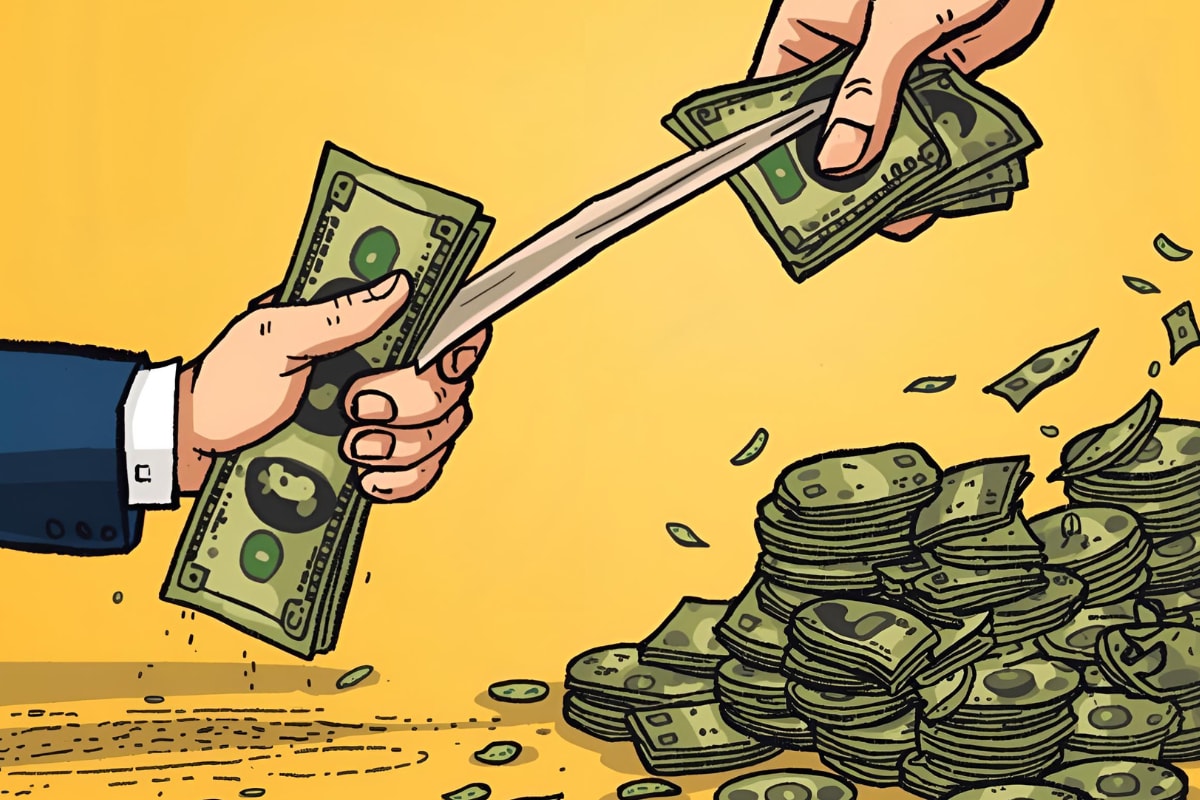
Recently, a politician promised to make drug prices drop by 1500%.
Let’s be clear: this is not just an exaggeration, it’s a mathematical impossibility. It’s the kind of fundamental error that screams you haven’t done the homework.
If something costs $100, a 100% price drop makes it free. A 1500% drop is a fantasy. It’s not a real number in the real world.
This isn’t just a simple gaffe. This is the tell.
The Tell Reveals They Don’t Have a Plan
When a leader makes a mistake this basic, it tells you they don’t understand the issue at a fundamental level. The goal of lowering drug prices is popular, but a goal is not a plan.
Achieving that goal is incredibly complex. It involves navigating patent laws, research costs, and global trade agreements. The details are everything. A leader who throws out an impossible number reveals that their knowledge is superficial. They’re describing a destination without a map.
They might be sincere about wanting to fix the problem, but the tell reveals they don’t understand how to do it. It’s like a builder who tells you he’s going to fix your leaky drain, but then pulls out a hammer. The intention might be good, but the lack of understanding is about to make things much worse.

Why This Matters More Than a Poker Game
At the poker table, if you miss a tell, you might lose a hand. In the real world, when we miss a politician’s tell, the consequences are far greater.
It reveals that the speaker lacks the capacity to design or execute a serious plan. It shows their grasp of the issue is confined to a slogan. This isn’t just about one person or one party; it’s a red flag for any leader promoting any policy.
When the stakes are this high, we can’t afford to be bluffed by big promises built on bad math. The next time you hear a grand solution, listen for the details. When the math doesn’t add up, it’s a sure sign the plan is empty.