

The Glass Fortress: Why a Transparent Democracy Needs Dark Corners


In a healthy democracy, we learn a simple, foundational maxim:
Sunlight is the best disinfectant.
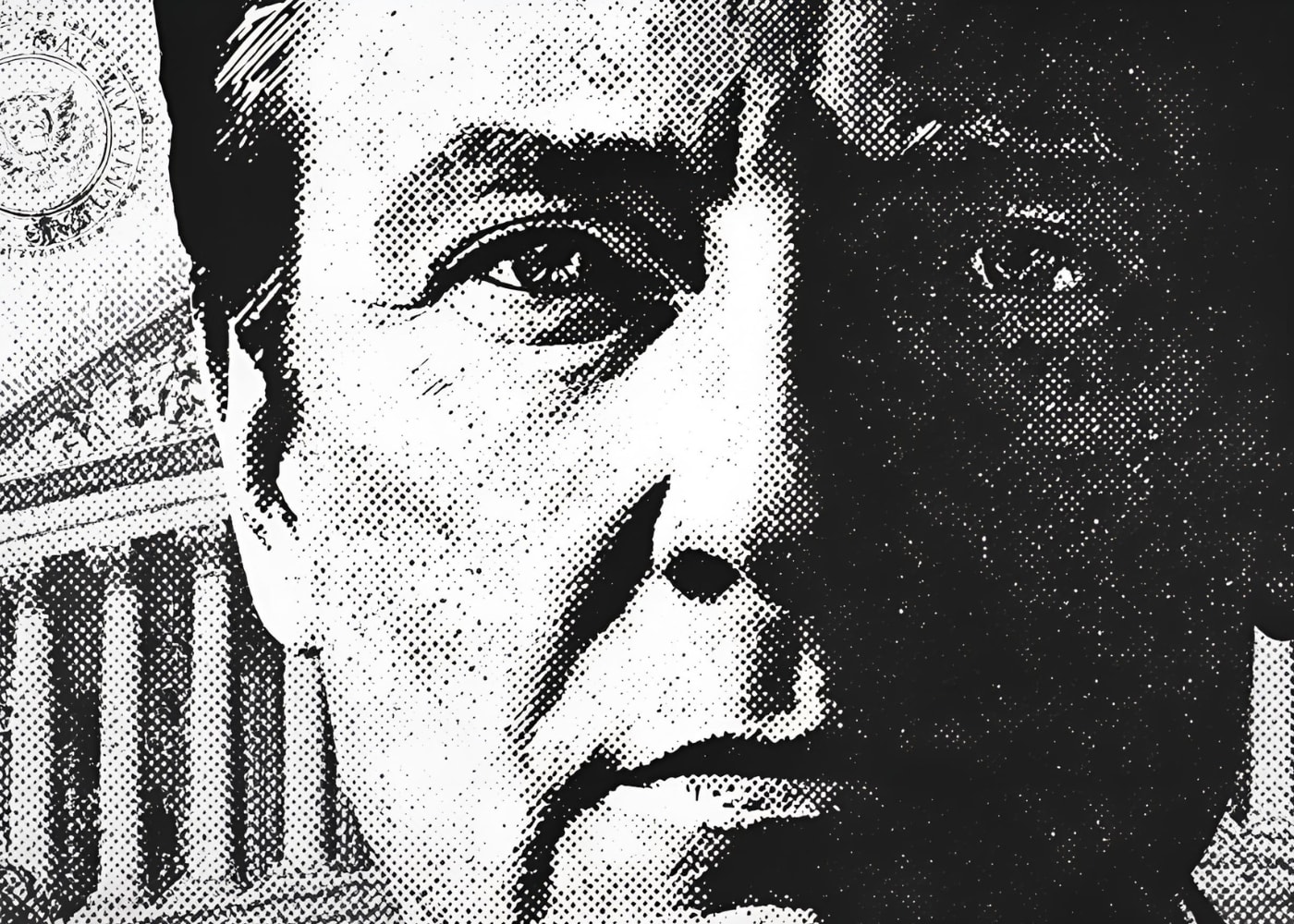
We’re told that because the government gets its power from our consent, it has to operate in the open. We pay the salaries, so we should see the receipts. Yet if you’ve ever requested a government file or looked at a declassified intelligence report, you’ve probably met the “black bar.” Those heavy lines of redaction turn information into a barcode of silence.
For the “Hopeful Realist,” this creates real tension. We want to trust our institutions, but the institutions seem hell-bent on hiding their work. This breeds a specific kind of modern cynicism: the belief that every “Top Secret” stamp covers up a lie, a crime, or a mistake.
But is total transparency actually the goal? Or is it a suicide pact?
To figure this out, we need to do something difficult: We have to separate our distrust of politicians from the necessity of statecraft. We need to understand why a Glass Fortress must still have dark corners.
The Poker Paradox
Let’s start with the strongest argument for secrecy, the one that actually makes sense.
Imagine you’re playing a high-stakes game of poker. Your opponent is aggressive, well-funded, and cheating. Transparency advocates might argue that for you to be an “honest” player, you should show your cards to the room.
If you do this, you aren’t being virtuous. You’re just losing.
The primary job of a government is protecting its citizens. In a world full of hostile actors, Operational Security isn’t optional. If a nation broadcasts its satellite capabilities, its troop movements, or its cyber-defense vulnerabilities in the name of “transparency,” it’s basically disarming itself.
Then there’s the grim reality of Sources and Methods. Intelligence isn’t just data floating around in the ether. It’s often human beings. A source inside a terrorist cell. An asset in a hostile capital.
The hard truth: One unredacted sentence in a public document can be a death sentence for a human asset halfway across the world.
Diplomacy needs the shadow too. Peace treaties and trade deals often get built on ugly compromises, concessions that leaders can only make behind closed doors. If every stage of a negotiation got livestreamed, public outrage would kill every deal before anyone signed it.

Swansonium Brief: The Realist’s View on Secrecy
The Myth: “If they have nothing to hide, they should show us everything.”
The Reality: Total transparency is a strategic disadvantage. You cannot negotiate treaties or protect spies with your cards face-up.
The Danger: The real threat isn’t the secret itself, but “Over-classification” using the “Top Secret” stamp to hide incompetence rather than danger.
The Goal: We shouldn’t demand total exposure; we should demand Accountable Secrecy overseen by trusted watchdogs.

The Rot: When Secrecy Becomes a Shield
But here’s where we can’t just stop and pat the government on the back. If we did, we’d be naive. The skeptic in you is right to be suspicious, because the system really is broken.
The problem isn’t the existence of classified information. The problem is over-classification.
In the bureaucratic machinery of Washington, the incentives are completely backwards.
If a government official accidentally classifies a public document as “Secret,” nothing happens. They’re just “erring on the side of caution.”
If they accidentally release a “Secret” document to the public, they could go to prison.
The result? A “Better Safe Than Sorry” culture where mundane emails, newspaper clippings, and (most critically) political embarrassments get stamped Classified.
This is where the “Black Box” turns into a trash can. We’ve seen it happen throughout history: governments use classification not to protect the nation from enemies, but to protect leaders from accountability. When secrecy gets used to hide incompetence, corruption, or illegality, it stops being a tool of defense and becomes a weapon against us.
The Realist’s Compass
So where does that leave us?
How do we stay informed without sliding into cynicism?
We need a more sophisticated approach.
We need to demand Accountable Secrecy.
We don’t need to see every document, but we need to trust the “Watchers of the Watchers.” This means supporting robust Inspector Generals and demanding that Congressional oversight committees actually do their jobs instead of posturing for television cameras.
For you, the reader, it means asking the right question when the next leak or redaction controversy hits the news cycle.
Don’t ask:
“Why are they hiding this?”
Instead, ask:
“Does hiding this protect a spy, or does it protect a reputation?”
The Glass Fortress needs dark corners to keep us safe. But we have to stay vigilant to make sure those corners don’t become places for the rot to hide.