

Minnesota Didn’t Attack Minnesota

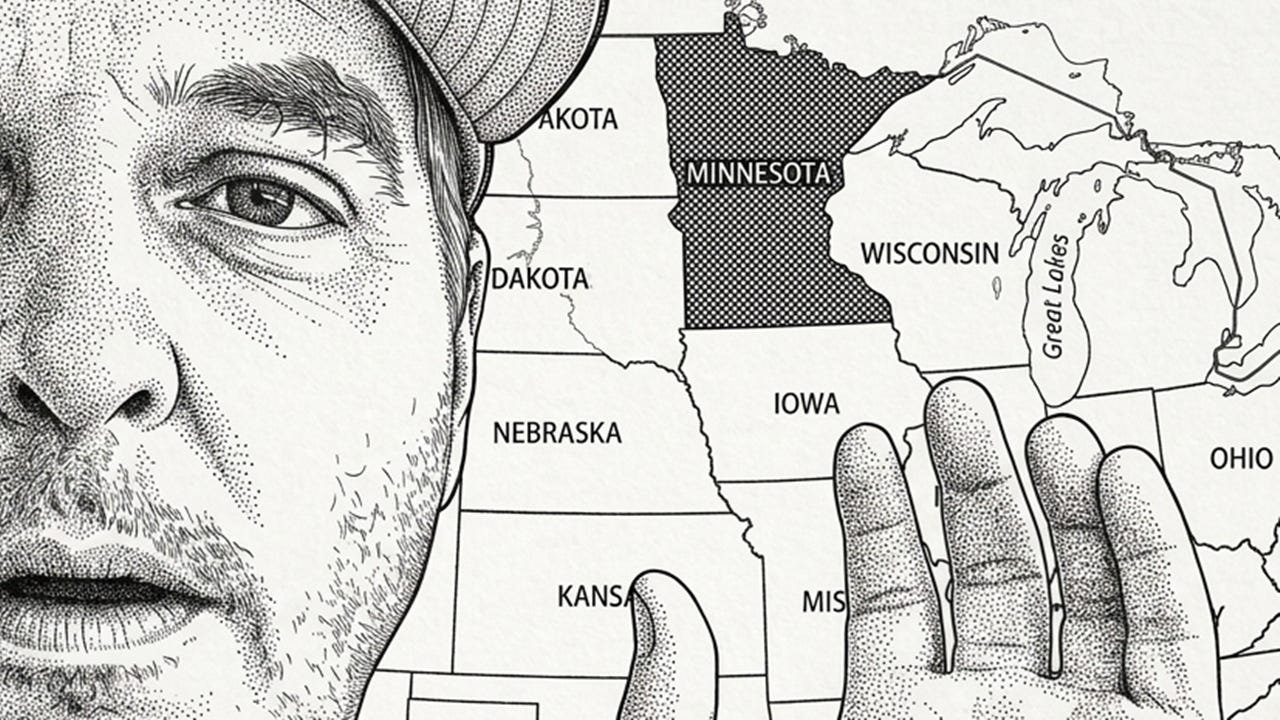
I don’t like writing about politics. It’s the fastest way to lose half a room and convince the other half you agree with everything they already think. But this week gave me something that isn’t really about politics. Minnesota got hit by a cyberattack, and Trump blamed the state instead of whoever did it. It’s about which way you point when your own side gets hit.
Upgrade to paid to fund independent, deep-work analysis free from algorithmic garbage. You’ll unlock weekly long-form posts, candid live sessions, and direct, honest conversations without the fluff. If you value the perspective, step inside.
Here’s the thing I keep coming back to. If a call goes against your team in the ninth inning, you don’t walk over and start cheering for the other dugout. You argue the call. You question the ump. You stay on your side of the field the whole time. That’s not blind loyalty. That’s just what being on a team means.
A state got hit. Not by its own governor. Not by its own incompetence, whatever you think of how it runs day to day. It got hit by an outside actor, according to the people whose job it is to know that. And the response from the top wasn’t to close ranks. It was to turn around and point at the state that just got hit.
That’s the part that sits wrong with me. Not the water systems specifically. Not even Minnesota’s politics, I don’t live there and don’t have a stake in that fight. It’s the pattern. When something outside hits us, the first move should be us, together, figuring out who did it and how we stop it happening again. Not scoring a point off your own bench because you don’t like the guy running it.
I want to believe that’s not a partisan idea. I want to believe backing your own country when it’s attacked is close to universal, whatever you think of the people running the part that got hit. Team USA. Flawed. Not always right. Still the team.
Here’s the honest part though. I don’t know if that’s actually true anymore or if I just need it to be true. Wanting unity when the last few years have rewarded the opposite might just be naive. Maybe I’m the guy still expecting a handshake at home plate in a game that stopped doing that a while back.
But I noticed something while I sat with that doubt. Questioning whether I’m being naive is not the same as being wrong. Posturing doesn’t ask itself hard questions. Conviction does. I’d rather be the guy still checking his own thinking than the one who stopped bothering because it’s easier to pick a side and stay mad at the other one.
So I’m saying it plainly, even knowing how it reads. When something hits us, we back each other first and sort the blame out after. That used to be obvious. It shouldn’t need saying out loud in 2026. But here we are, and I’d regret staying quiet more than I’d regret being called naive for saying it.
V> Posturing doesn’t ask itself hard questions. Conviction does.