

Are We Starving Our Children’s Potential?


The information in this post is too important to ignore. If this resonates with you, please share it. Spreading this knowledge is a simple but powerful way to make a difference for children who need us.
Hunger is the enemy of a developing brain
The human brain is an incredibly powerful and energy hungry organ. During childhood, a period of explosive growth and learning, its demand for fuel is relentless.
This isn’t just a matter of feeling full, hell no, it’s about providing the essential building blocks for the very architecture of thought.
I’ve heard “I only like to deal with hungry people…” from some broken mortgage banker who later was sent to jail, but I digress.
The idea that hunger could somehow sharpen the mind is a dangerous myth.
The science is unequivocal: Hunger is the kryptonite to a child’s cognitive superpowers.
The Daily Deficit: How Hunger Derails Learning
On any given day, hunger wages a quiet war in the classroom. A child who skips breakfast or has an insecure food supply at home is at a significant disadvantage before the first lesson even begins.
The brain’s primary fuel source is glucose, which is derived from the food we eat. When blood sugar levels drop, the immediate effects on cognitive function are stark:
Loss of Focus: I’ve been here. The brain, preoccupied with the fundamental need for energy, cannot allocate resources to higher-level tasks like concentrating on a teacher’s lecture or reading a book.
Impaired Memory: Both short-term memory and the ability to retrieve long-term information are compromised.
Mood and Behavior Issues: Hunger can lead to irritability, anxiety, and lethargy, further hindering a child’s ability to engage in a positive learning environment.
Check my sources about this fact. A hungry student isn’t just a distracted student; they are a student whose brain is biologically incapable of performing at its best.
The Long-Term Damage: Malnutrition’s Lasting Scars
While daily hunger is a major hurdle, chronic malnutrition inflicts deeper, more permanent damage. Think of a child’s brain as a complex structure being built from the ground up. Nutrients like iron, iodine, protein, and fatty acids are the essential bricks and mortar for this construction.
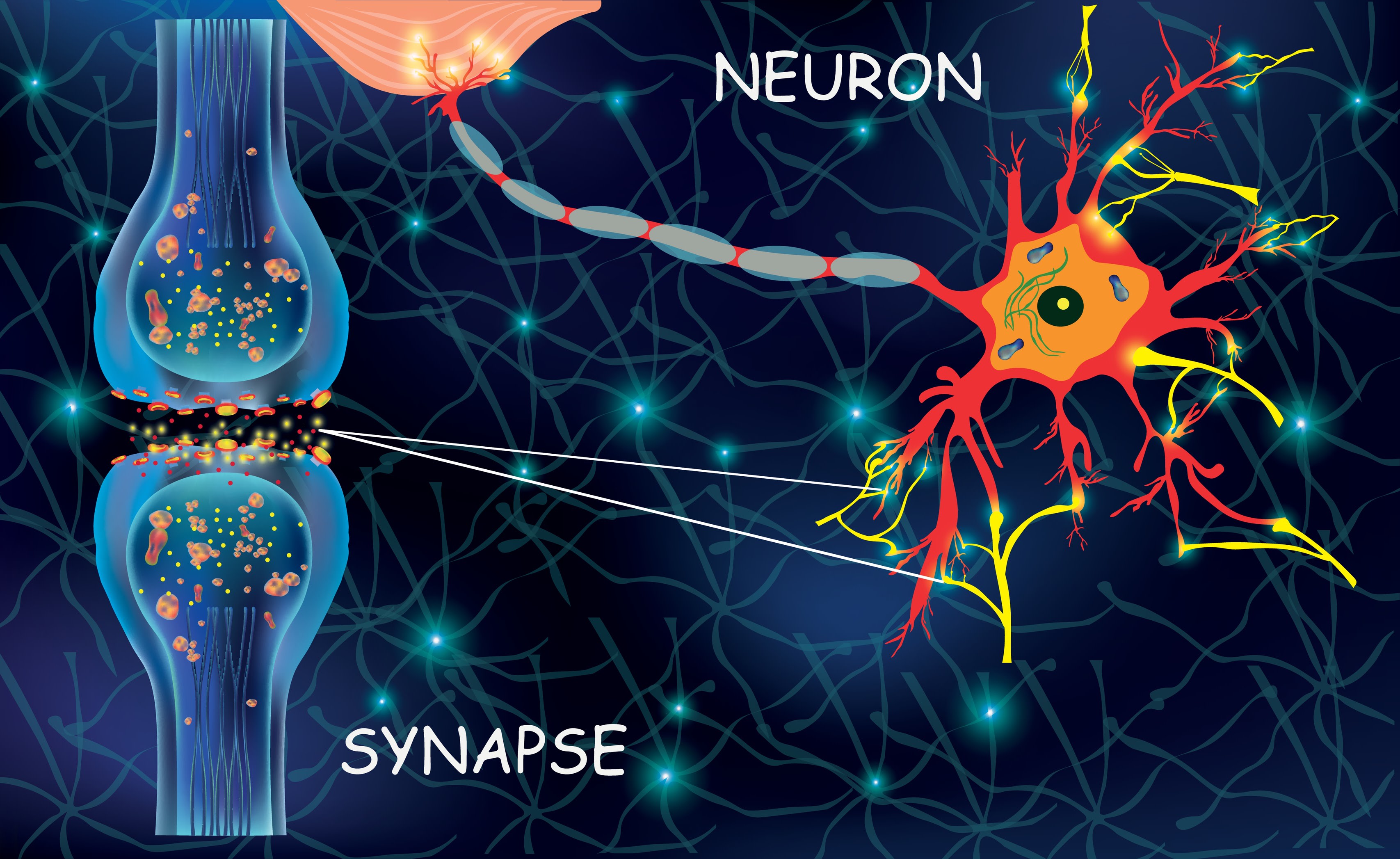
When these materials are scarce, the very architecture of the brain is compromised.
Chronic nutrient deficiencies during critical developmental windows can lead to:
Reduced Brain Volume: The physical growth of the brain can be stunted.
Poor Neural Connectivity: The formation of synapses, the vital connections between brain cells that allow for learning and memory is impaired.
Lower IQ Potential: By limiting the brain’s structural and functional development, malnutrition can permanently lower a child’s potential IQ.
These are not temporary setbacks; they are foundational deficits that can affect a person’s learning capacity, problem-solving skills, and opportunities for the rest of their life.
The Solution: Fueling a Brighter Future
The relationship is clear: ensuring children have consistent access to nutritious food is one of the most effective ways to support their intellectual development. This goes beyond simply curbing the pangs of hunger; it’s about providing the high-quality fuel the brain needs to thrive.
Interventions like school breakfast and lunch programs have a proven track record of success. When children start the day with a healthy meal, schools see marked improvements in attendance, academic performance, and test scores. By investing in childhood nutrition, we are making a direct investment in a healthier, smarter, and more capable future generation.
A nourished mind is a mind ready to learn.
NO QUESTIONS ASKED
I need to be honest about something that weighs on my heart. When I hear about a child going hungry, my first thought is never about their parents’ choices or ‘the system.’ My only thought is, ‘That child needs to eat.’
None of us are perfect. Parents aren’t perfect. Life is messy. But a child’s hunger is simple, it’s a fucking problem that needs to be solved, not judged.
I’m hopeful it can be, we’re rich, right?
I believe we have a moral duty to feed them, no questions asked. I am more than willing to pay for it (and I do), because making a child suffer for adult problems is a line I will never cross.
Stay Hype.
Sources
Nutritional Deficiency’s Impact on a Child’s Learning Abilities | University of Utah Health
Child Hunger: The Stealthy Academic Performance Killer – Loaves and Fishes Food Pantry
How the quality of school lunch affects students’ academic performance | Brookings
The Effects of Hunger on Physical and Cognitive Development of Children – ResearchGate
Hidden Hunger – Consequences for Brain Development – The Pontifical Academy of Sciences
The Impacts of Childhood Hunger on Growth and Development – Care For Kids | Toledo, OH
Issue 59 I The Starved Brain – Can What We Eat Determine How We Think? – Browse Resources
3 devastating effects of hunger on the body – Feeding America
Effects of diet on behaviour and cognition in children | British Journal of Nutrition
The long-term impact of preschool health and nutrition on education – PubMed
The Impact of Early Childhood Nutrition on Long-Term Health – Ayaansh Hospital
(PDF) Nutrition and Children’s Intelligence Quotient (IQ): Review – ResearchGate
Food Insecurity and Primary School Girl Students’ Intelligence Quotients: A Case-Control Study
Context and Sequelae of Food Insecurity in Children’s Development – PMC