

Anointed in Victory, Exiled in Defeat


We quirky people have a strange but powerful way of thinking about luck.
The same object we call “lucky” after a win is often blamed and discarded after a loss.
Ode to the Talisman
“The very same logic that anoints a talisman in victory is what condemns it to exile in defeat.”
At its core, this reveals how deeply we crave order in this chaotic world. We look for patterns and reasons, especially when things feel uncertain. That’s why people turn to rituals or objects, or what we call talismans.

When Winning Creates Magic
Take the New York Mets on a surprise winning streak. A player may eat the same meal before every game, or the McDonald Grimace shows up in the dugout. For one player, Cespedes, it was a bright yellow parakeet perched high in the bleachers of Queens, NY. Suddenly, that meal is more than food, and the parakeet is more than decoration; they’re “lucky.” Each win makes them seem more powerful, almost magical. Fans and players treat them like the key to success. It’s not really about magic, though. It’s about control. The talisman gives everyone a story to explain why things are going right.
From Magic to Malediction
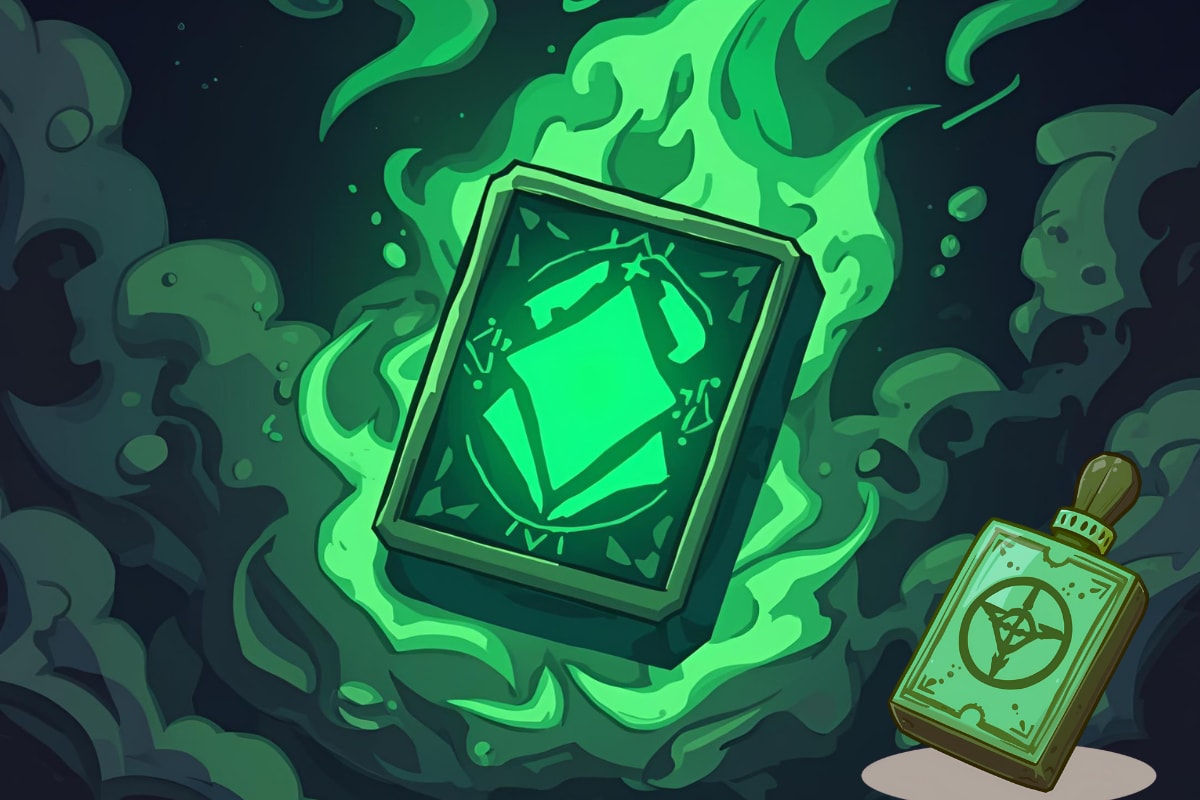
But that logic cuts both ways. When the streak ends in a crushing loss, the story must remain consistent. If the gnome was the reason for winning, then it must also be the reason for losing. It doesn’t just lose its magic; it becomes cursed! The “lucky” meal gets dropped. The gnome is shoved in a closet or tossed out. The team isn’t just rejecting the object; they’re resetting their mindset, making space for a new source of luck.
More Than Just a Game
This way of thinking isn’t just limited to sports. A “lucky” suit worn to job interviews might be retired forever after one rejection. A business leader praised as a genius during growth is suddenly called reckless after a single failure. What was once brilliant becomes foolish when results change.
The Power We Project
The truth is, talismans are neutral.
They don’t have power.
We give them meaning.
Their rise and fall demonstrate how quickly we are to attribute success or failure to symbols, rather than acknowledging that we don’t have complete control.
Stay hype.