

The Word Is Doing Two Jobs

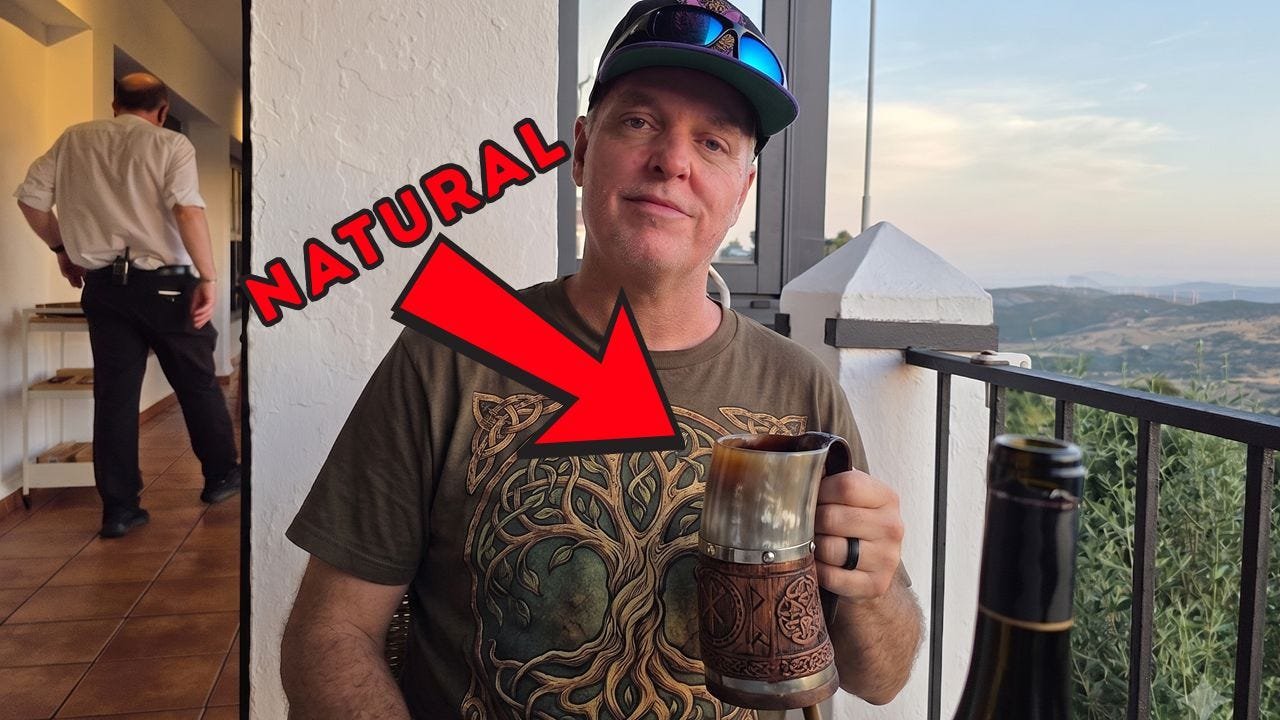
People say a word like everyone agrees on what it means. They don’t.
Let’s use the word “natural” for the example.
In everyday language, natural means unprocessed, closer to the earth, and usually better. It carries a value judgment.
In science, natural means something occurs within the laws of physics. A hammer is natural. Plastic is natural. AI is natural. Humans are part of nature, so what we create is too. No value judgment, just causation.
Same word, two completely different jobs.
Upgrade to paid to unlock the best of this community for you and me. Weekly posts, live videos and honest conversation. Join the VIP circle.
Arguments fall apart when people switch definitions without noticing. They start with the scientific meaning, everything is natural, then slip into the everyday meaning, therefore it’s good. The word changed jobs in the middle of the sentence and nobody flagged the switch.
You see this everywhere. Wellness influencers selling natural supplements. Critics calling AI unnatural, as if unnatural were a real category once you take the definition seriously. Debates over technology and just about everything. The reasoning depends on swapping which coat the word is wearing, not on making a valid point.
A word is a tool. Pick it up without checking which setting it is on and you will use it wrong, the way a wrench makes a poor hammer. You will still hit the nail. You will also strip the threads and never notice, because it still looks like you accomplished something.
The result is not insight. It is a category error wearing the coat of one.
The cost is not losing an argument. It is mistaking a definition problem for a discovery, and building on it anyway.
V> A word wearing two coats is not a distinction. It is a mistake that sounds like one.